Axon FM27
Launch film for a fuel pump with a 27-inch multimedia screen, using cinematic misdirection to reframe hardware as a storytelling platform

"A screen. A scene. A story waiting to sell itself."


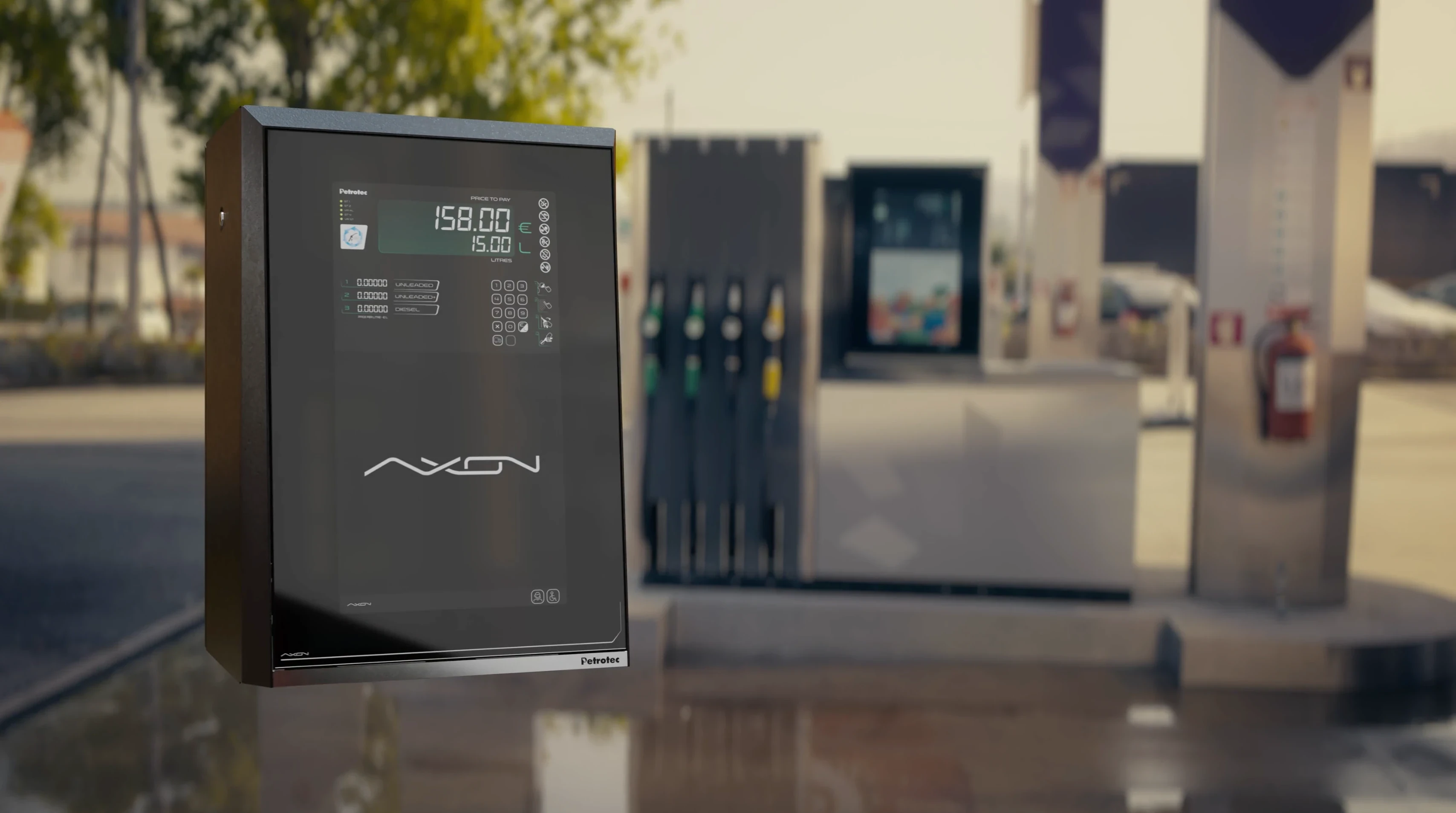
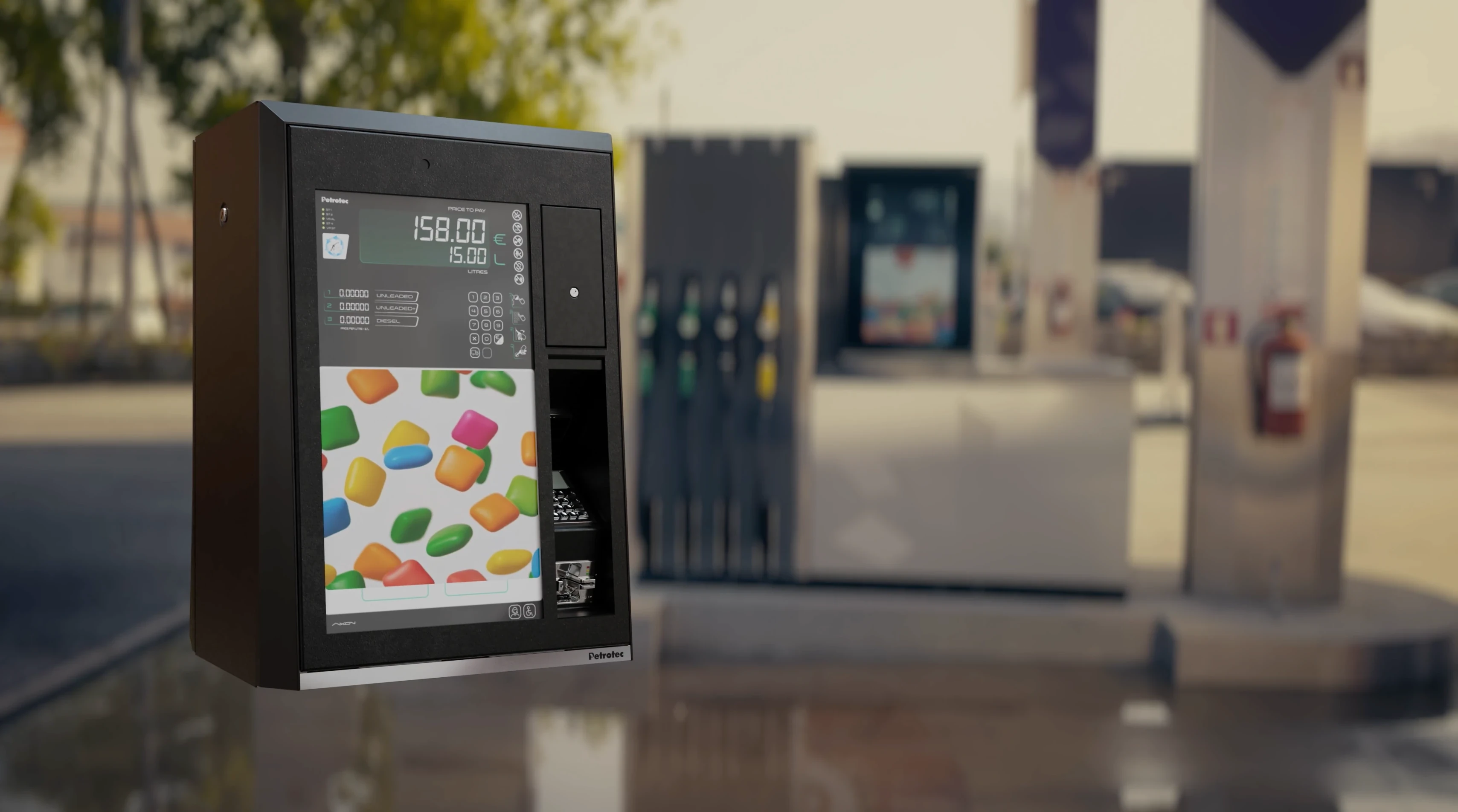
"The FM27 isn't a display. It's a plot device in someone else's sales story."
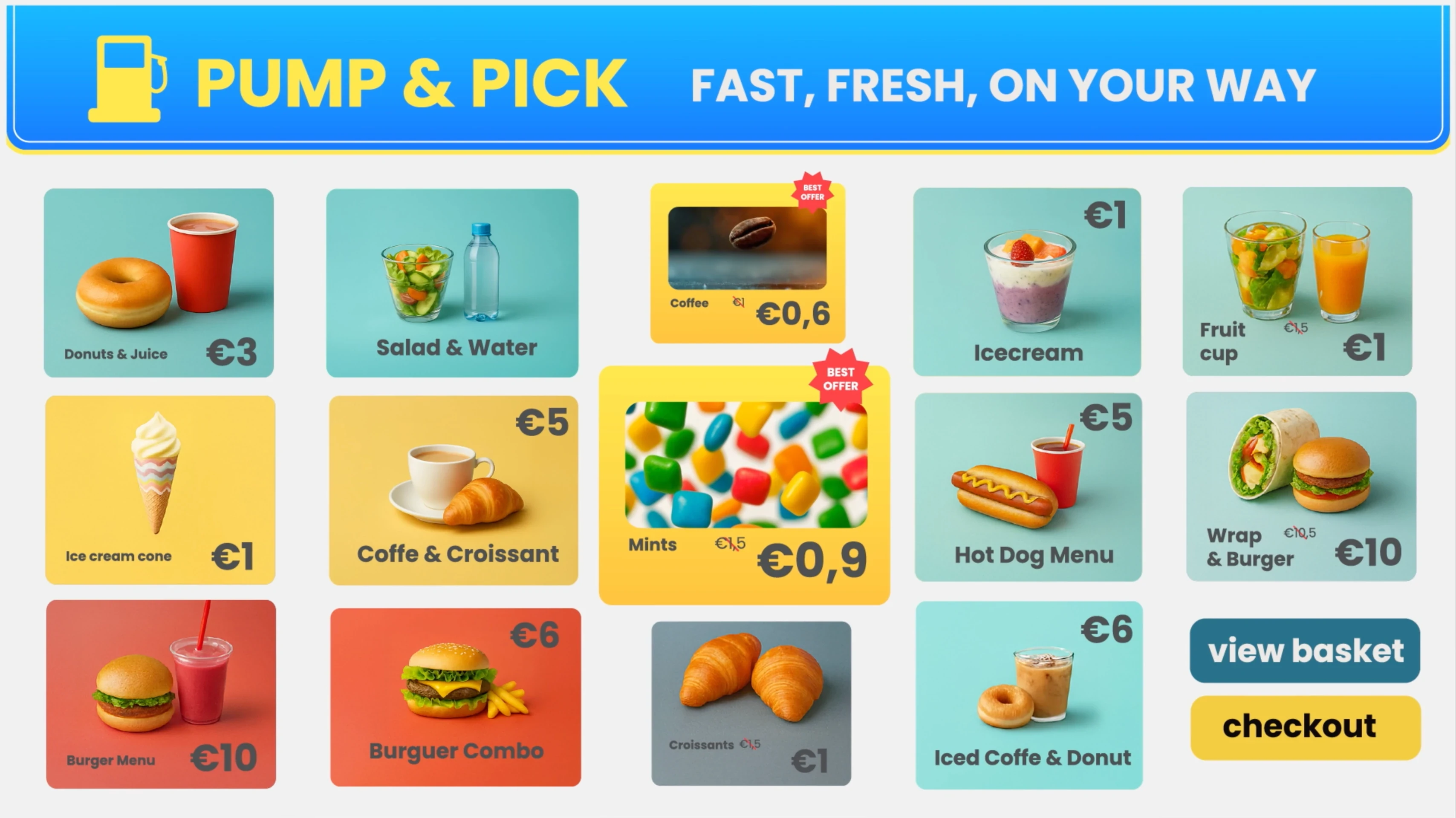
"Every refuelling stop becomes a moment of influence."
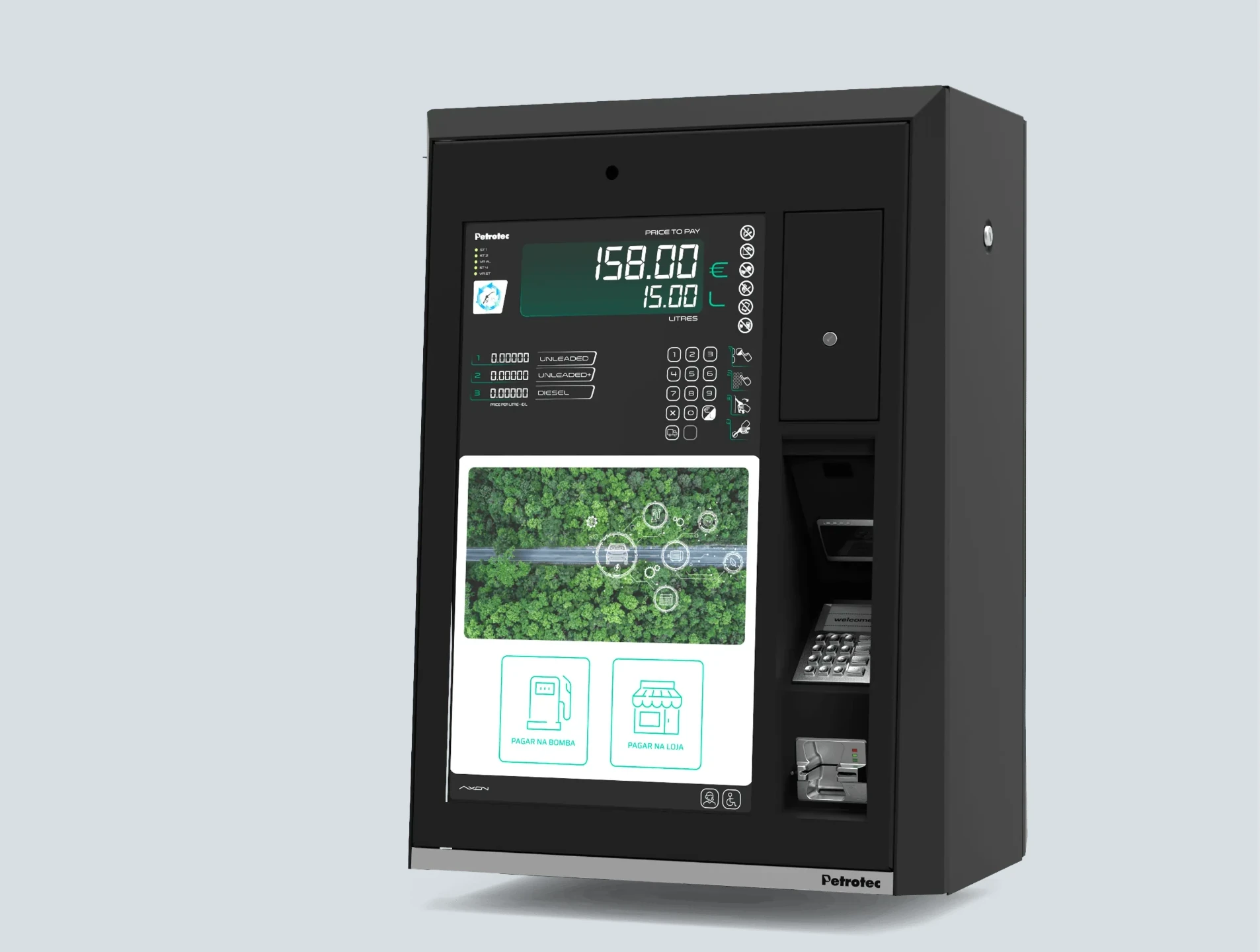
"Even B2B hardware can launch like a brand, not a brochure."
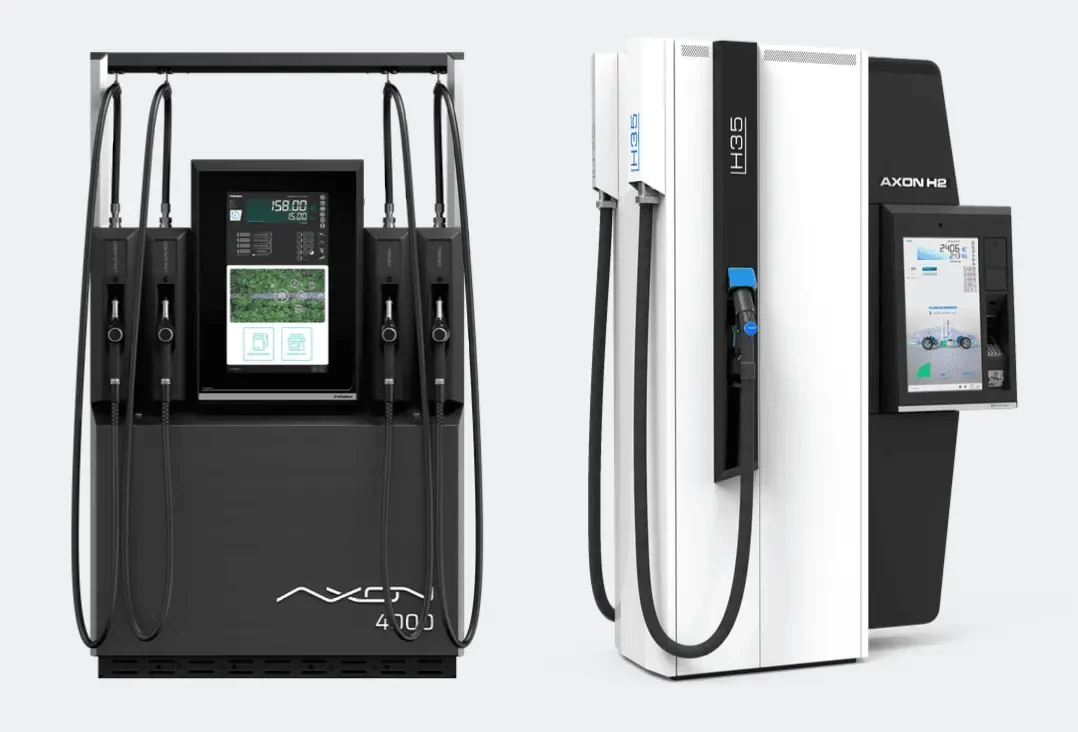
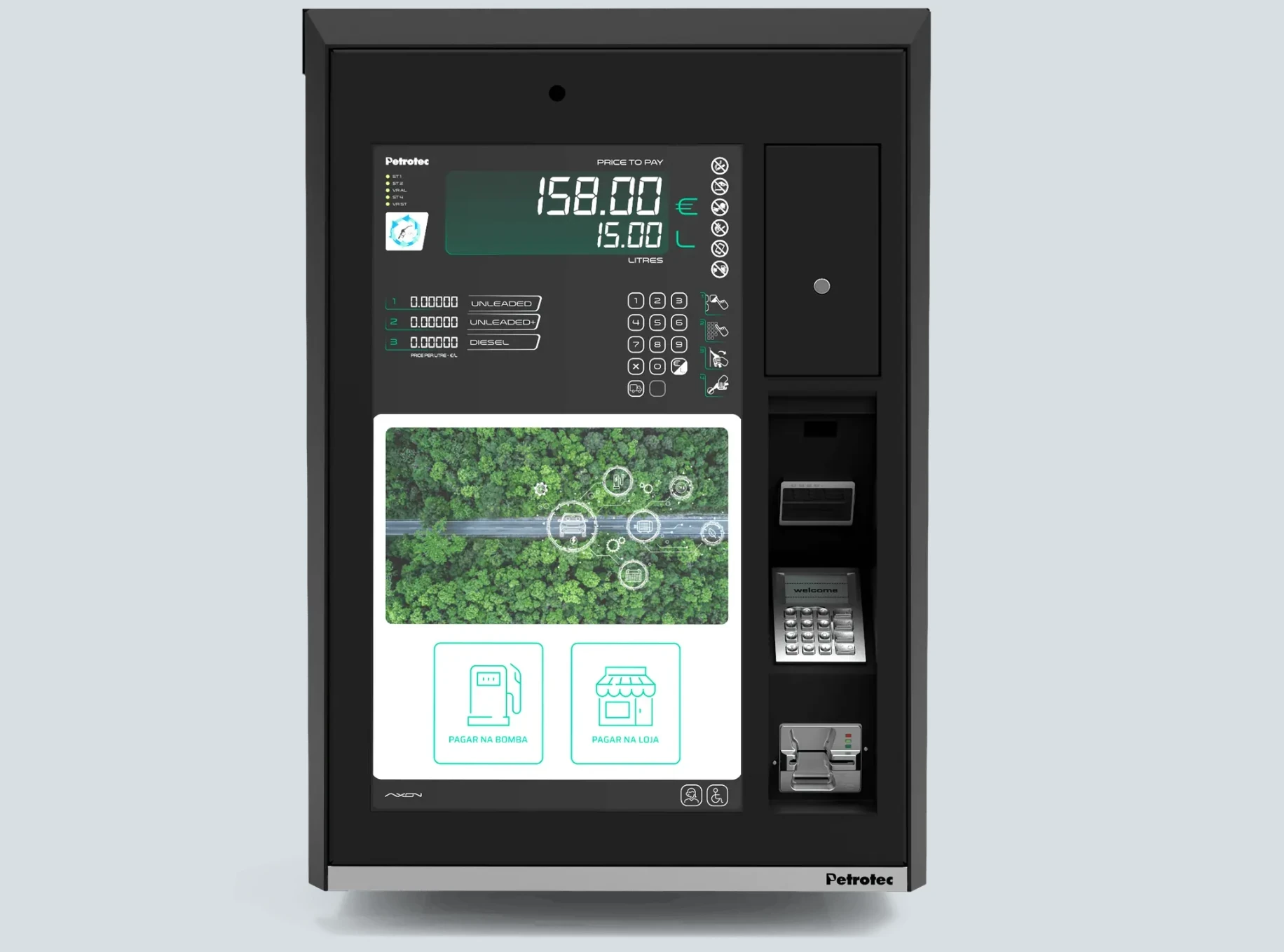
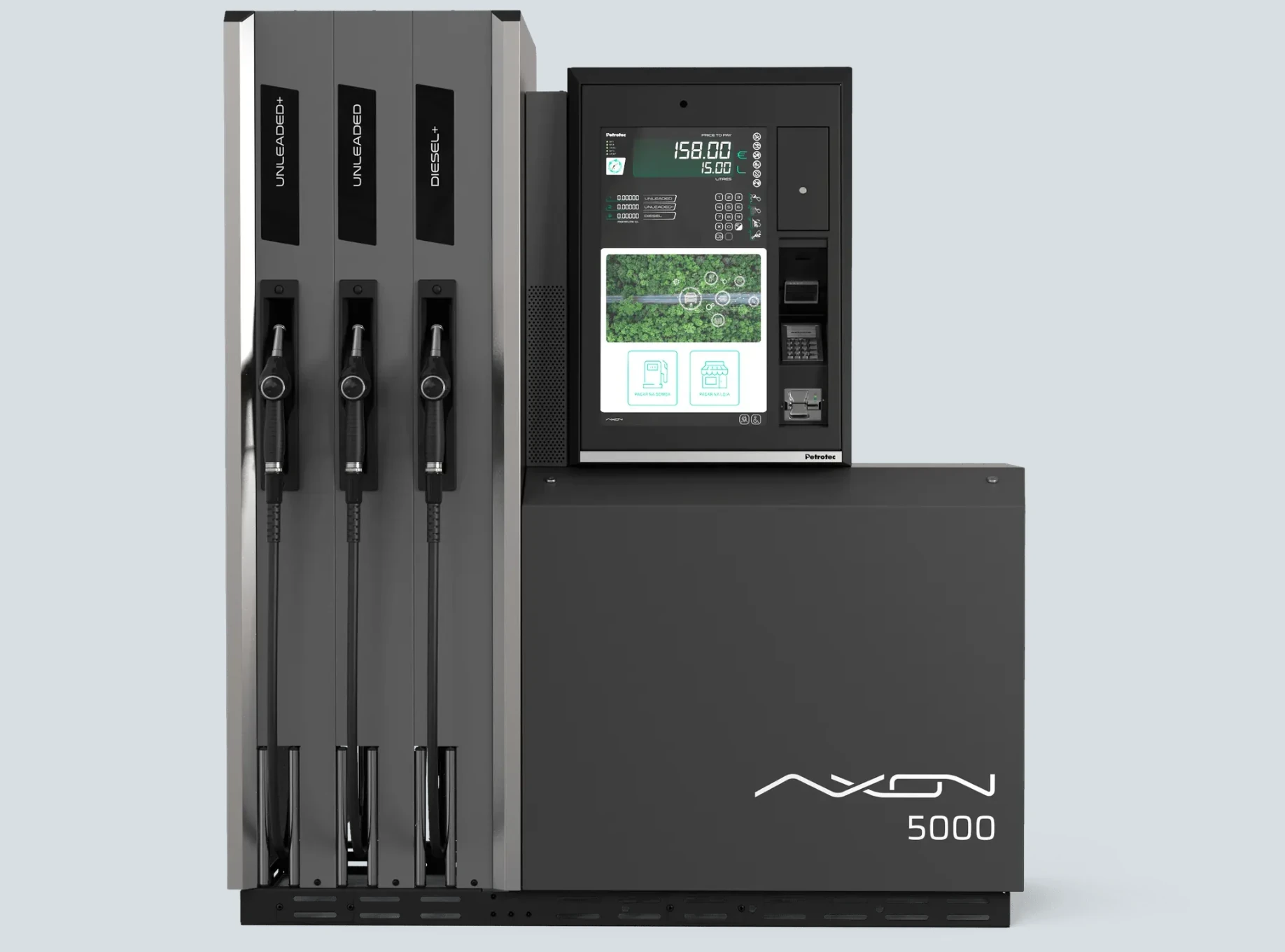
A launch film for a fuel pump with a 27-inch screen that enables programmable retail media. Using cinematic misdirection, the film reframes the device as a storytelling platform rather than a functional spec, making buyers see the FM27 as a revenue opportunity.
Axon FM27 is a fuel pump with a 27-inch multimedia screen; designed to turn every refuelling moment into a programmable retail media surface. The challenge wasn't explaining the feature. It was making people feel why it matters.
I wrote the full script, directed the narrative approach, coordinated the 3D pipeline, produced the voiceover via ElevenLabs, and followed the project through production to final delivery. The film uses cinematic misdirection to reframe a hardware product as a storytelling platform.
A feature that sounds functional. A screen on a fuel pump. It plays ads. For most audiences, especially B2B buyers, that registers as a spec, not an opportunity. The film needed to bridge the gap between "it has a screen" and "this is a revenue-driving media channel."
A category with zero emotional language. Fuel pump communication lives in spec sheets and trade catalogues. There's no cinematic precedent. No reference for how to make this product category feel desirable. The film had to create its own visual and narrative vocabulary from scratch.
A dual audience. The film needed to work for station operators and retailers (the buyers) while also signalling premium positioning to partners and the broader market. It couldn't feel like a demo. It had to feel like a launch.
The core idea: the screen is a stage, not a feature. Instead of showing what the FM27 does (plays content on a screen), the film shows what the screen enables: any brand, any product, any story, playing at the exact moment a consumer is standing still, waiting, and receptive. The FM27 isn't a display. It's a plot device in someone else's sales story.
The mechanism: cinematic misdirection. The film opens like a premium coffee commercial. Macro shots, slow motion, gourmet drama. The viewer is pulled into what looks like a high-end brand film, then the camera pulls back to reveal that the "ad" is playing on the FM27's screen. The plot twist is the product demo.
The structure: setup, reveal, rewind, system. The narrative follows a four-beat arc designed to move from emotion to function without losing momentum: (1) Setup: a beautiful coffee ad draws the viewer in; (2) Reveal: the ad is playing on a pump screen; the FM27 enters the frame; (3) Rewind: time reverses, the camera travels back into the screen, entering the retailer's CMS dashboard; (4) System: the dashboard shows what's programmable, contextual, and conversion-ready. This lets the film land the emotional argument first (this screen tells stories) and the rational argument second (and here's how you control it).
Script & Narrative Design
I wrote the complete script and designed each beat as a pairing of voiceover and camera language; every line triggers a specific visual transition. The tone sits between film trailer and product reveal: confident, slightly playful, never corporate.
3D Pipeline Coordination
Directed the 3D team across the full sequence: from the macro coffee-bean-on-chrome opening through the seamless zoom-out reveal, the reverse-time transition, and the final hero packshot; a clean render of the FM27 rotating on a neutral background, LED pulsing, ads looping on screen. The 3D work wasn't decorative. Every render served narrative timing: the product reveal, the dashboard entry, and the climax packshot all had to land on specific script beats.
AI Voice Production
Produced the voiceover using ElevenLabs, shaping tone, pacing, and emphasis so the narration lands like a film trailer, not a corporate explainer. The voice carries the misdirection: warm and cinematic in the opening, sharper and more direct in the reveal and system section.
Production Follow-Through
Stayed embedded across the full production pipeline, reviewing iterations, resolving misalignment between narrative intent and visual execution, and keeping the film tight, coherent, and launch-ready.
The film repositioned the Axon FM27 from a functional hardware upgrade to a media platform with narrative potential, giving Petrotec a launch asset that speaks to retail buyers in the language of opportunity, not specifications.
By treating the pump screen as a storytelling stage, the film created a new category frame: the fuel pump as a programmable, contextual, revenue-driving media surface. Every refuelling stop becomes a moment of influence.
The cinematic approach set a tone for Petrotec's product communication that breaks decisively with industry convention, proving that even B2B hardware can launch like a brand, not a brochure.