BITI.Box
Brand strategy, IP creation, and Kickstarter narrative system for a category-defining hardware startup
"The device stops being a 'box that controls content' and becomes something a child wants to enter and a parent can believe in."
"We can't wait for digital to become better. We'll have to make a new one. BITI. Dada digital."
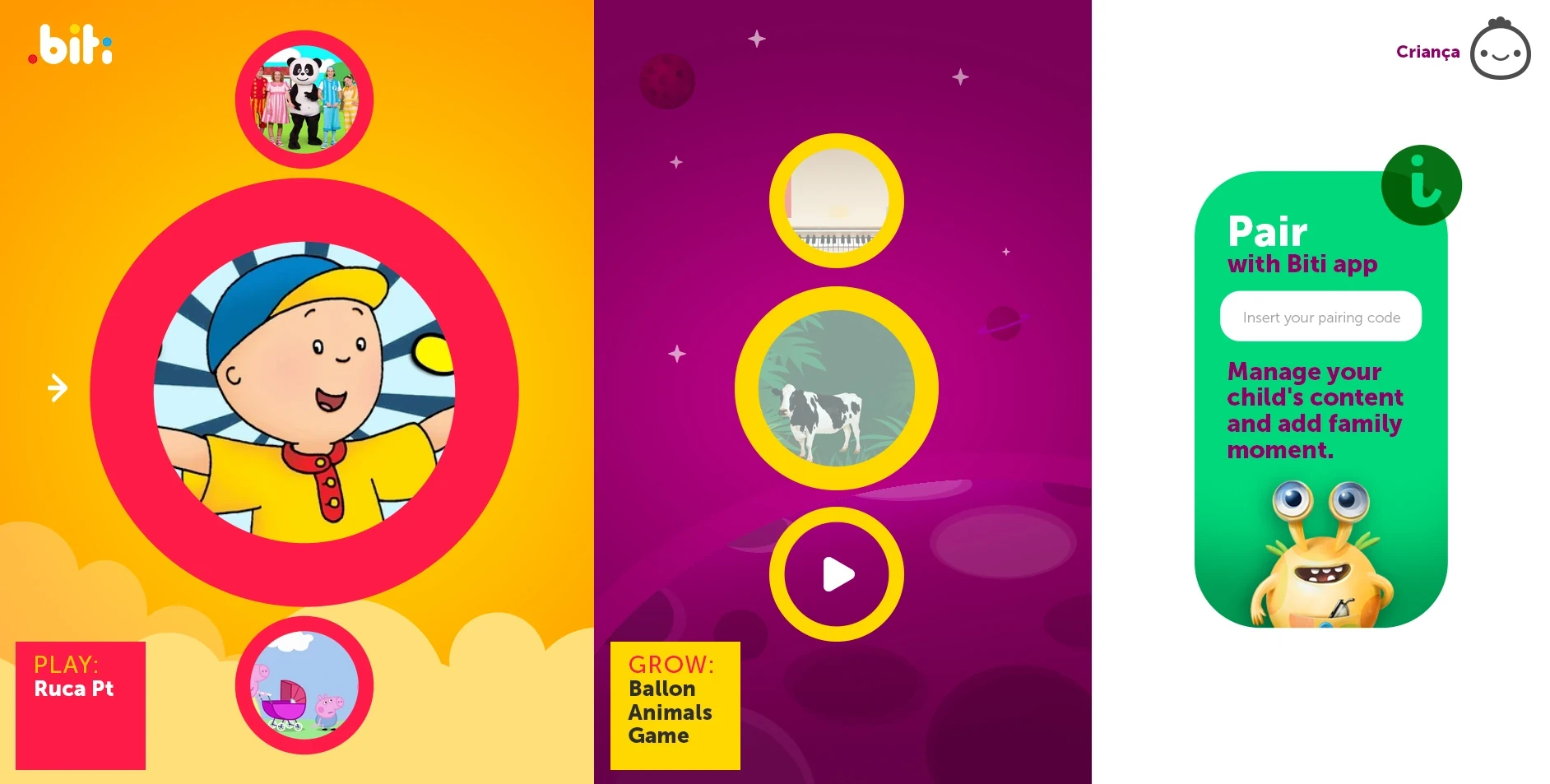
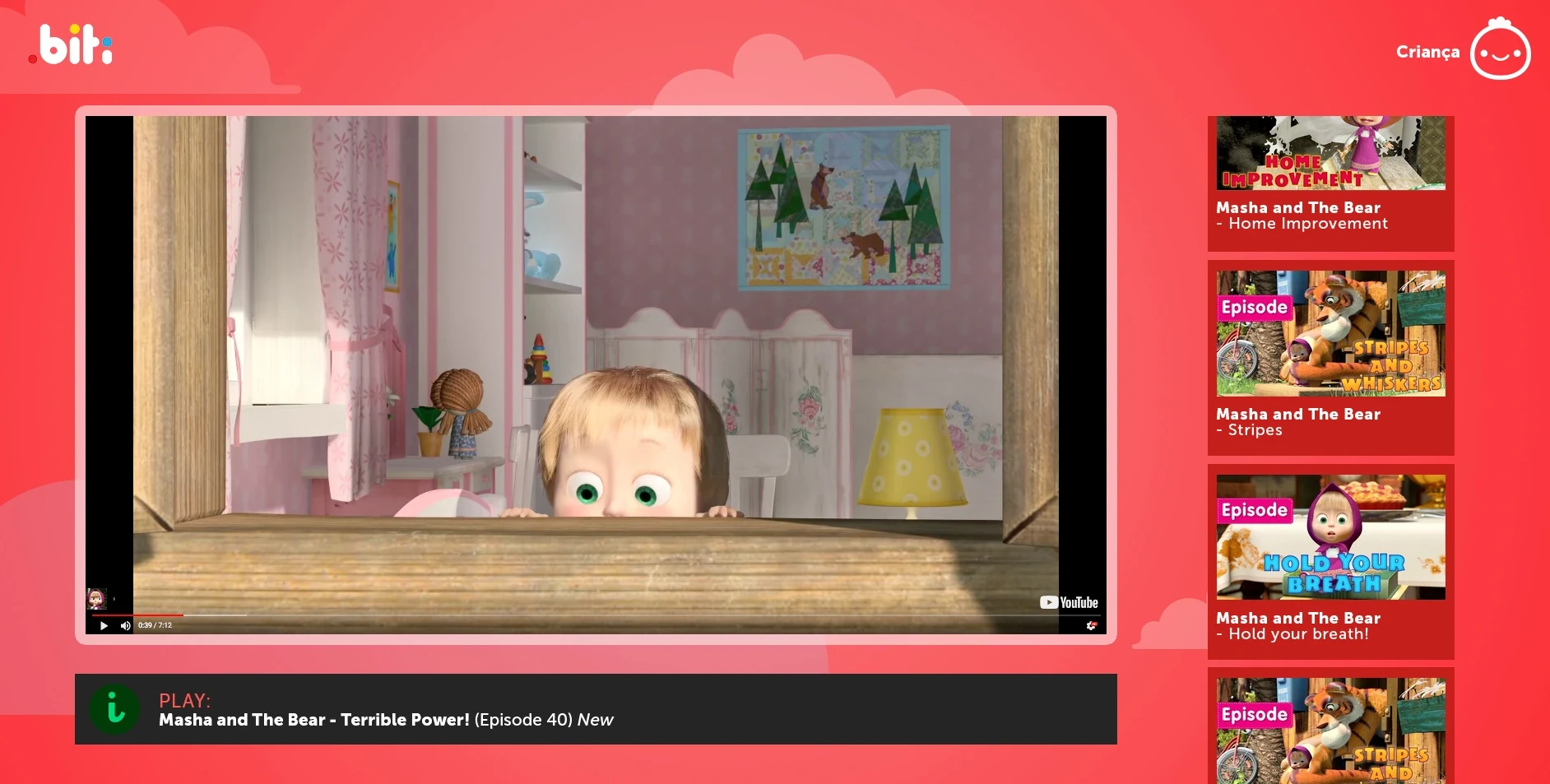
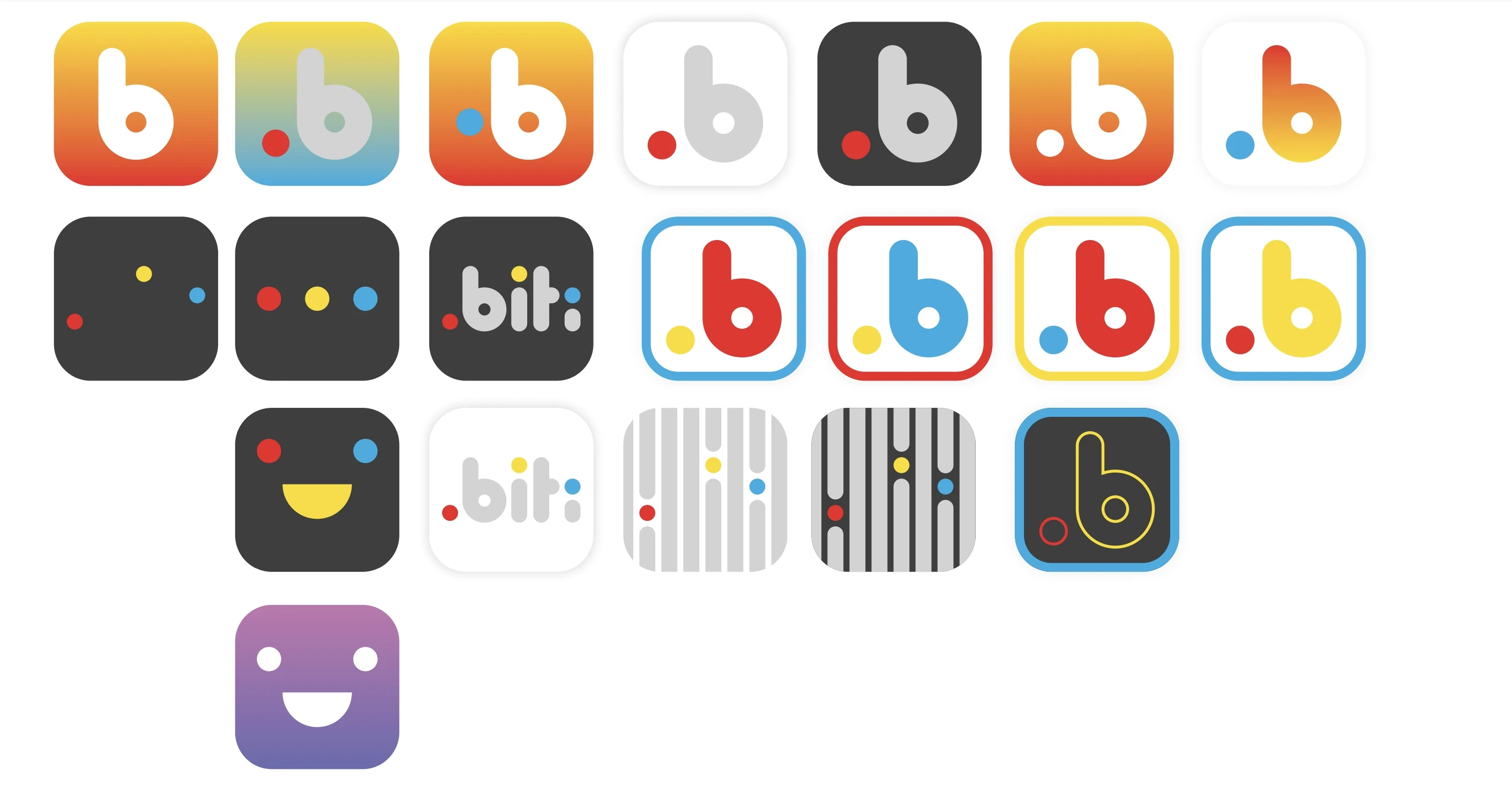
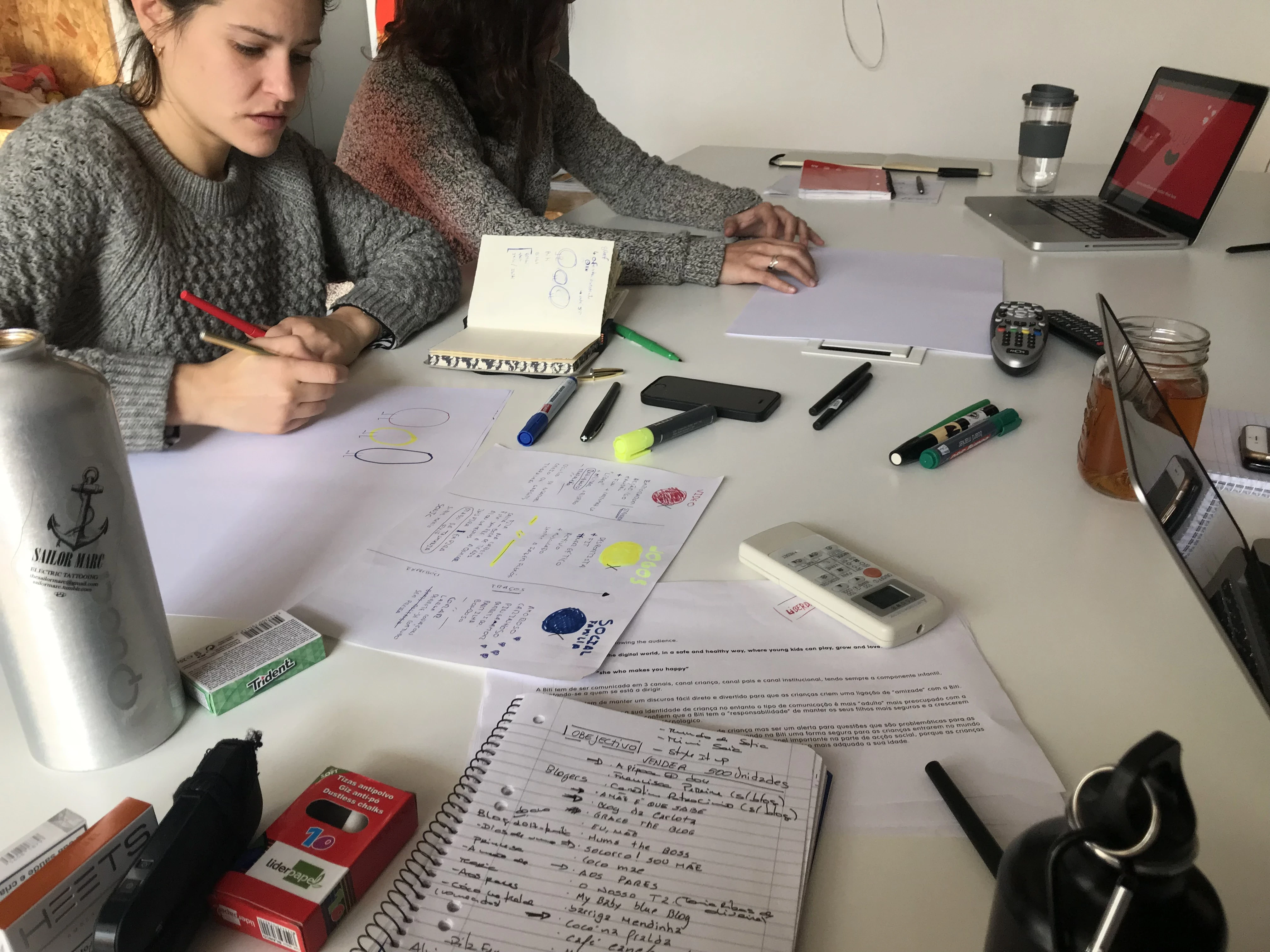
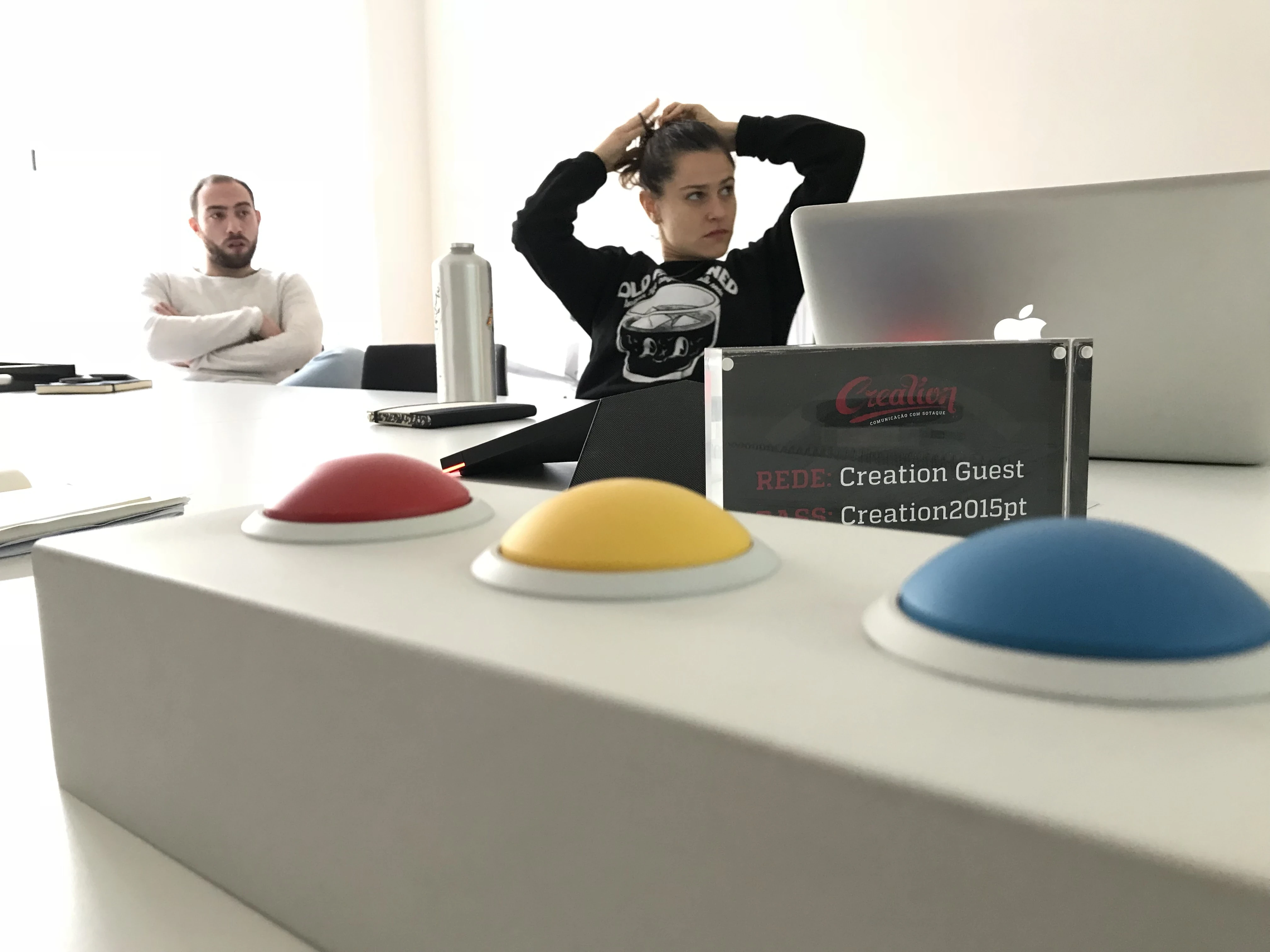
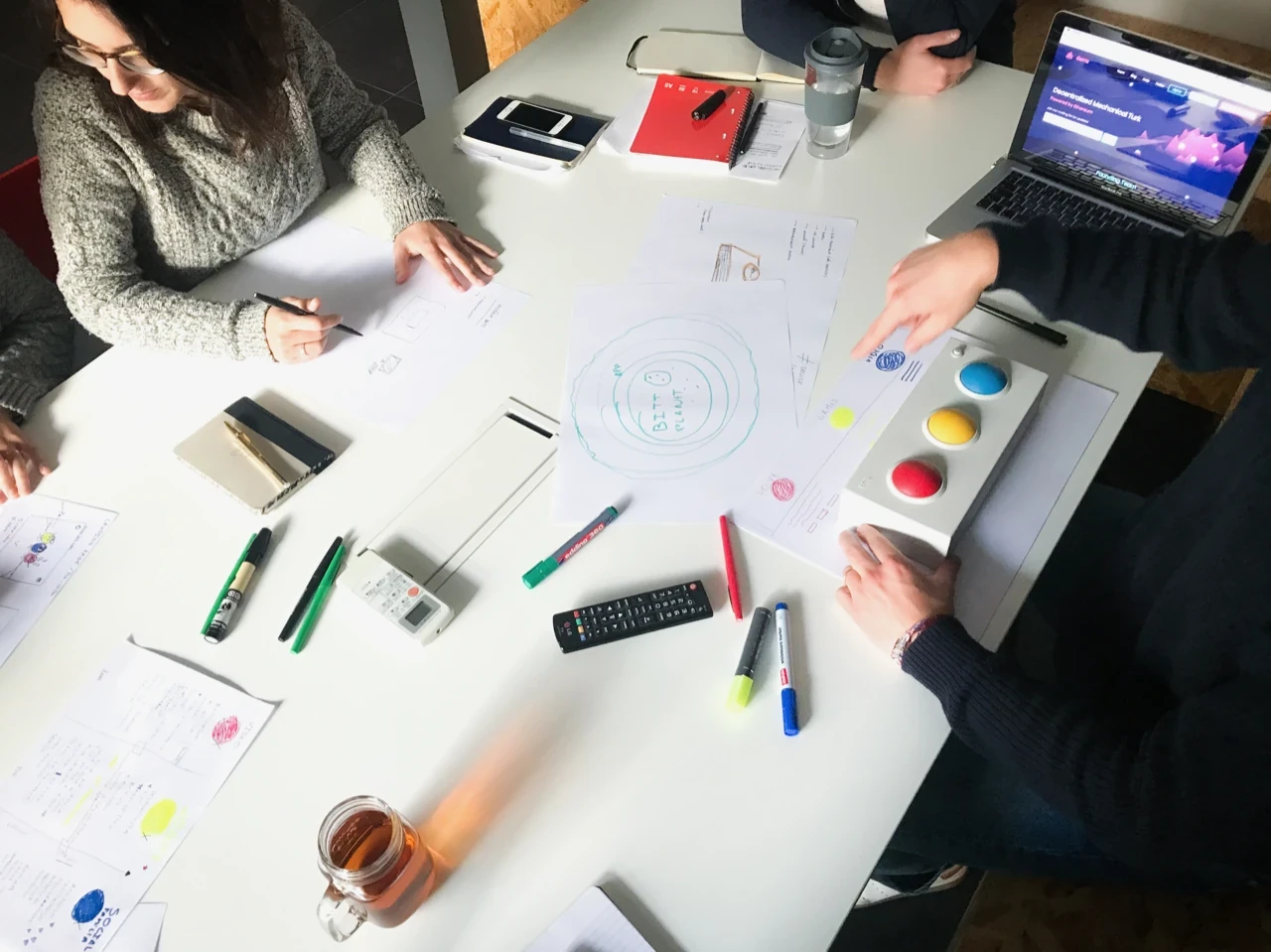
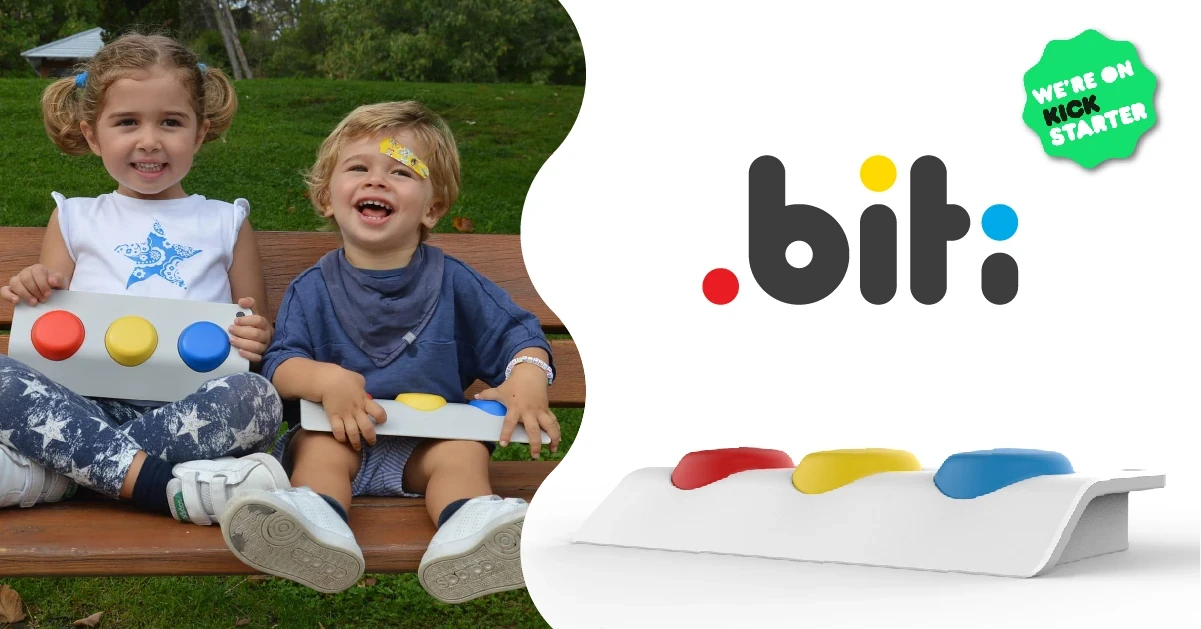
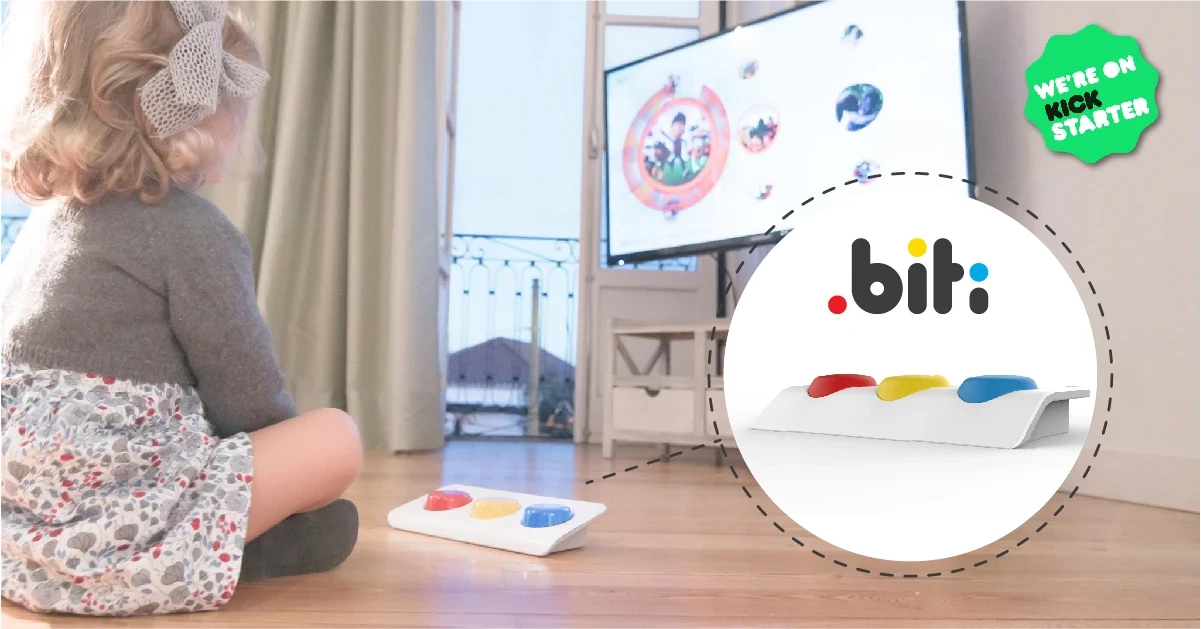
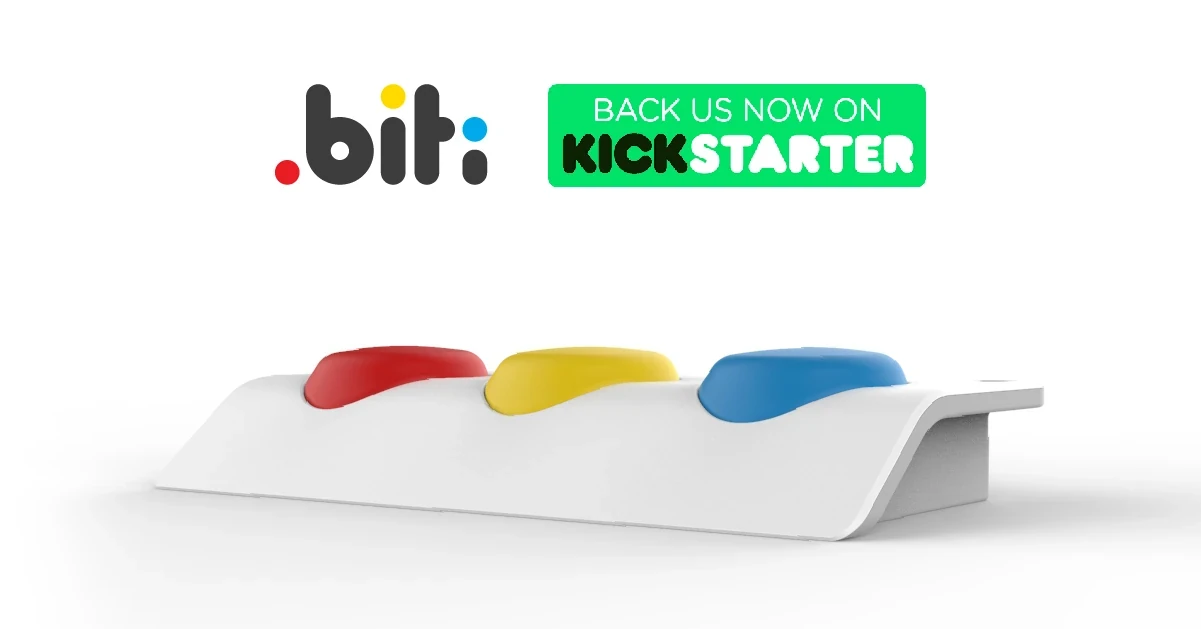
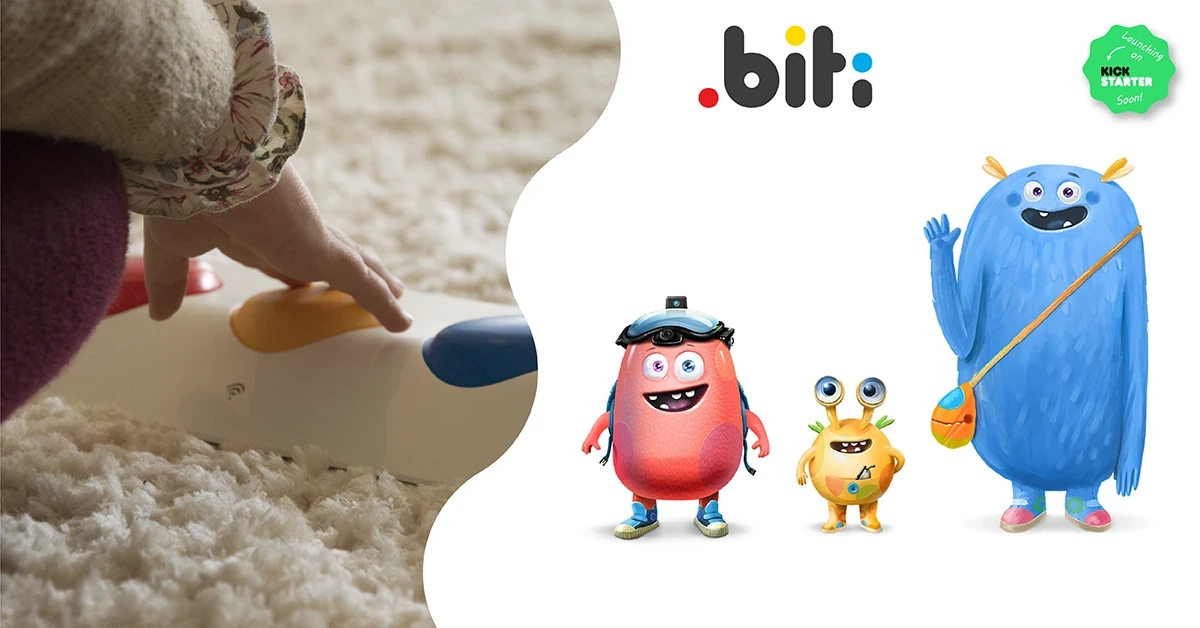
BITI transformed from a hardware device addressing screen-time into a branded universe with three characters, a spaceship metaphor, and proprietary IP designed to be defensible and emotionally sticky for Kickstarter and investor audiences.
BITI was a startup with a brutal purpose: solve childhood screen-time, especially the unsupervised kind. But it had no brand world around it. The product was a hardware device that gave kids access to three controlled content streams: family media, curated games, and curated YouTube. The concept was strong. The positioning was not.
I reframed BITI from a functional device into a story-driven universe with ownable IP: a spaceship with three characters, a manifesto, a film script, and a complete narrative system built to launch on Kickstarter and perform in investor pitches.
A strong product without a world around it. The founder, living away from his family in Silicon Valley, had built the first prototype from a shoebox; a genuinely inventive solution to a real parenting problem. But the device arrived cold: no positioning, no visual personality, no emotional hook.
A category that didn't exist yet. BITI wasn't competing with other products; it was trying to create a new space. That meant the brand couldn't just differentiate. It had to define what this category looks and feels like from day one.
Hardware and software alone are easy to copy. For a Kickstarter launch and investor conversations, BITI needed differentiation that lived beyond the tech. It needed something emotionally memorable, structurally defensible, and impossible to replicate by cloning the product.
The core read: the brand has to be the moat. If you're opening a category, differentiation can't live only in hardware and software. It has to live in something creatively and emotionally ownable. The brand isn't a layer added at the end; it's the thing that makes the product impossible to copy even when the technology is replicable.
The strategic move: build an IP layer, not just an identity system. A logo and a colour palette wouldn't be enough. BITI needed a proprietary universe: characters, narrative, mythology. This would make the product instantly recognisable, emotionally sticky, and defensible as intellectual property. This was the single most important decision in the project.
The big idea: the device becomes a spaceship. A playful object with meaning and myth. Each of the three buttons becomes a cockpit for a character, and each character owns a content world and a benefit. The hardware stops being a "box that controls content" and becomes something a child wants to enter and a parent can believe in.
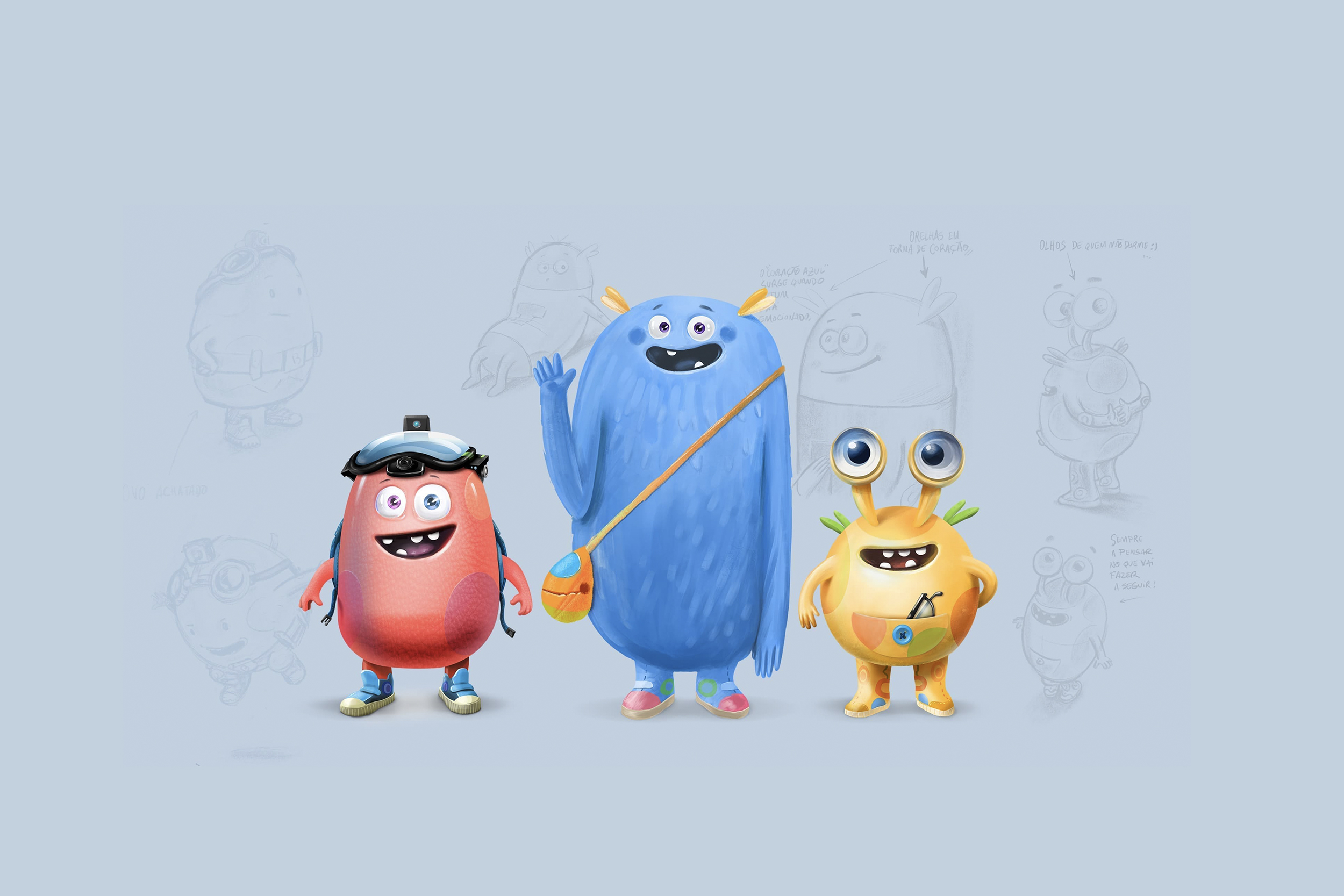
Character System: Iggy, Boh & Tum
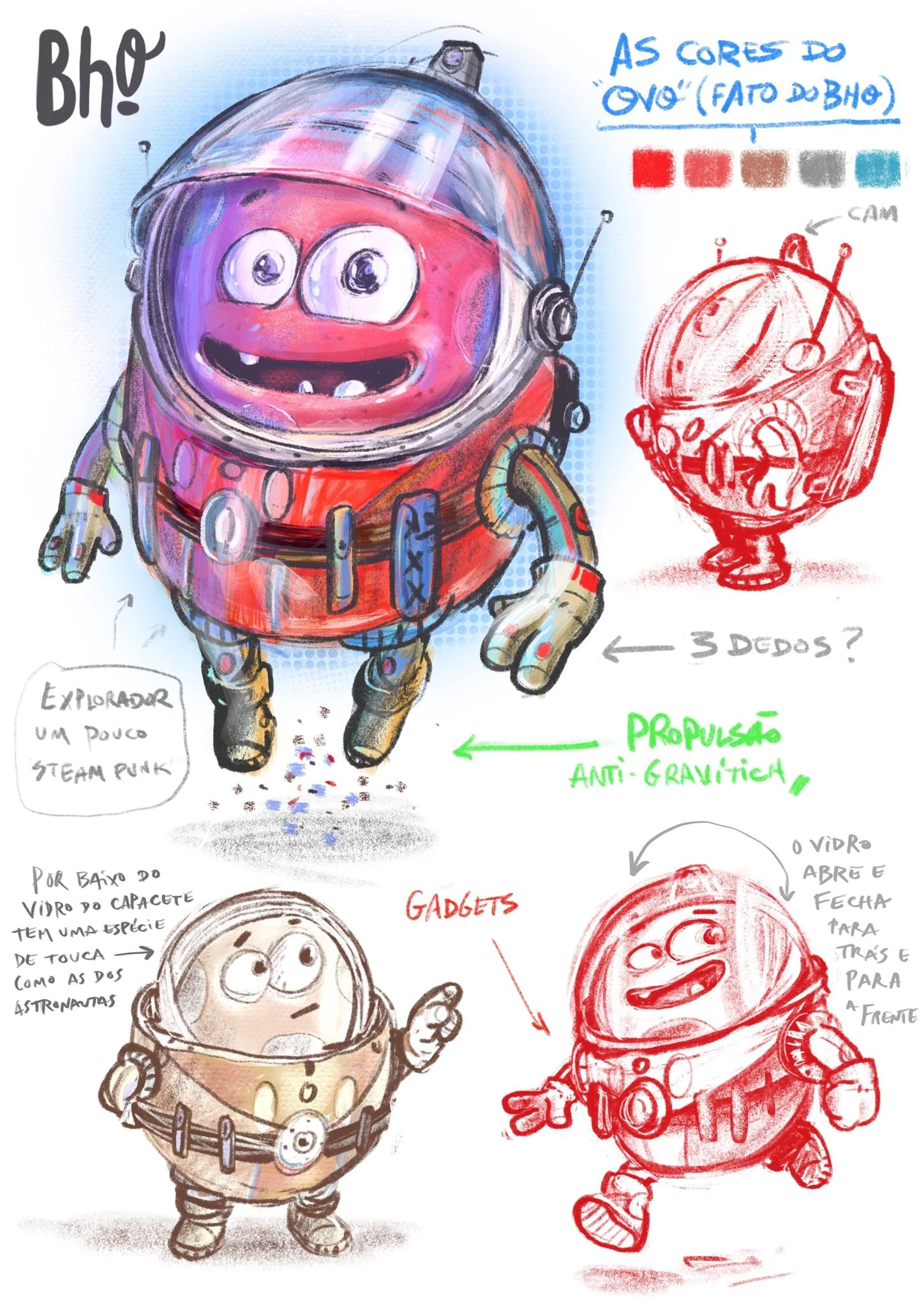
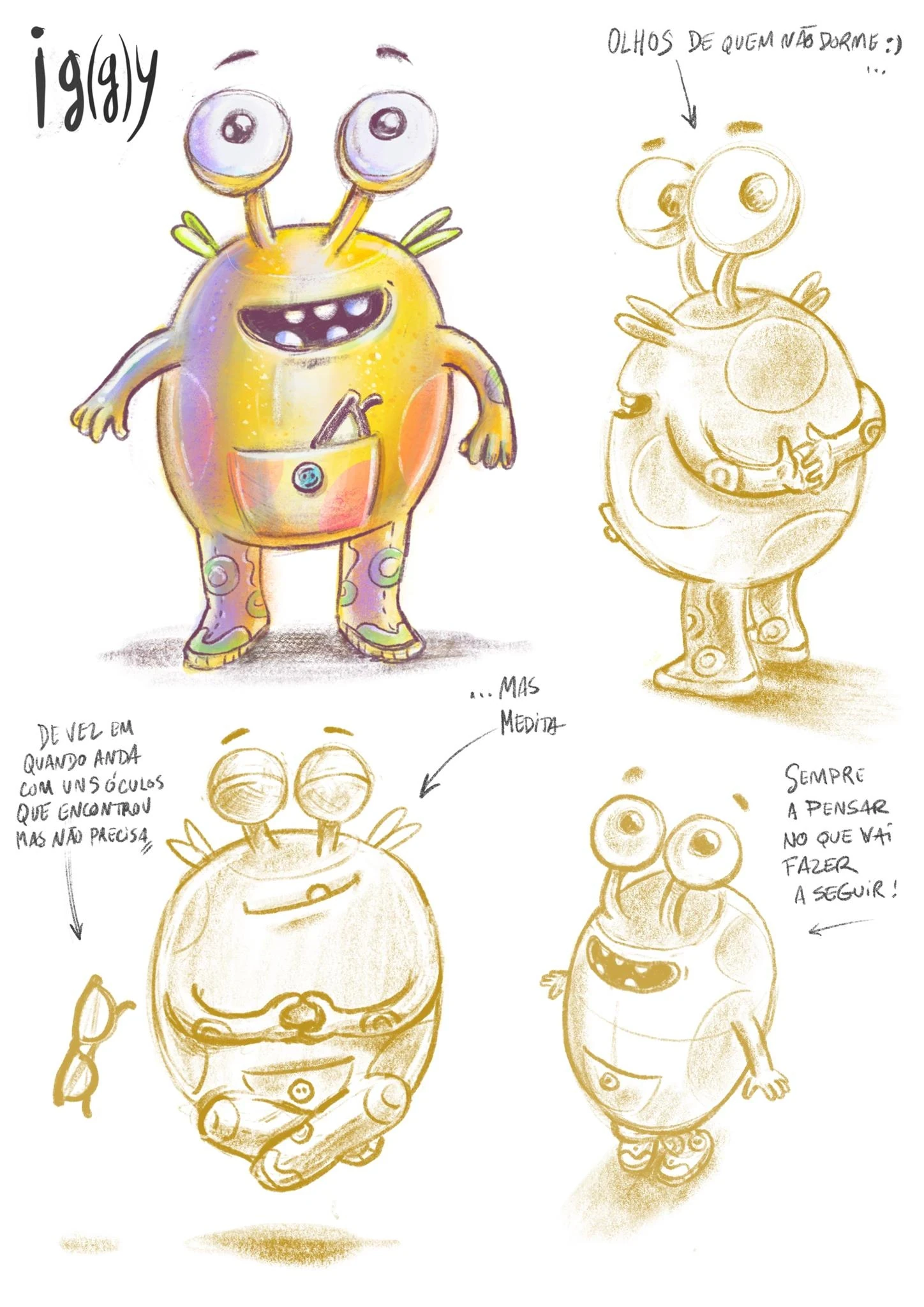
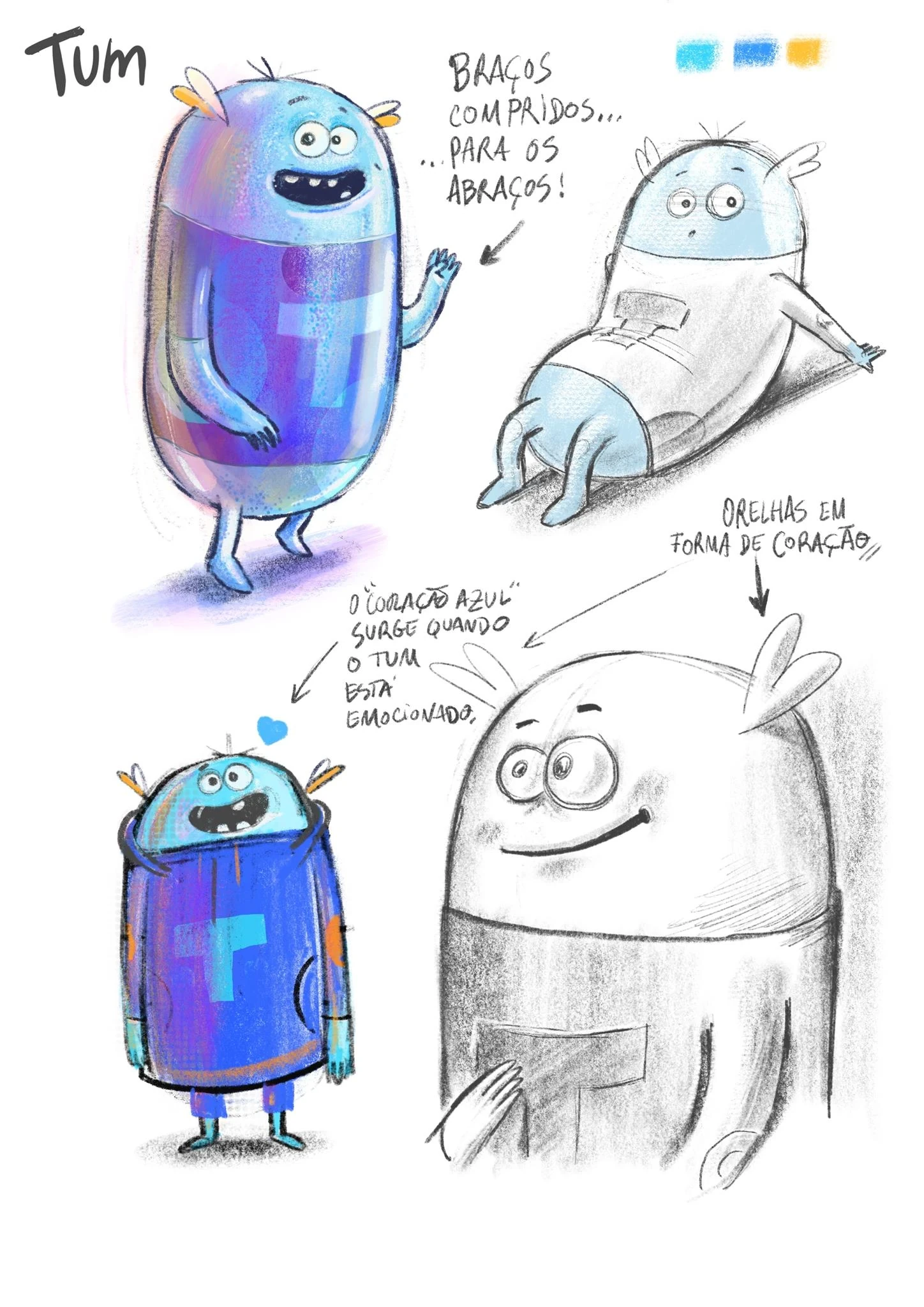
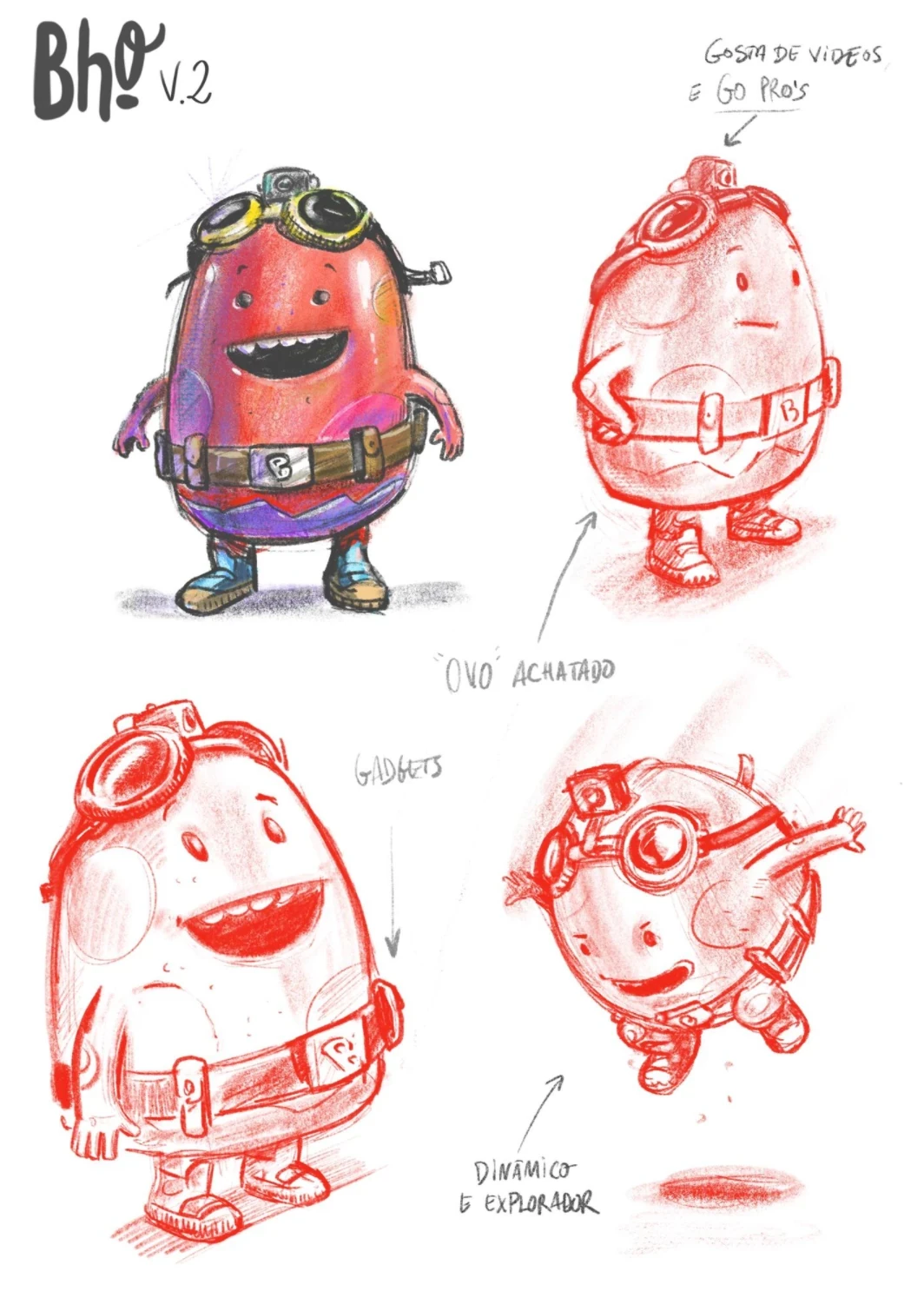
I created three characters, each one tied to a content mode, a colour, and a personality:
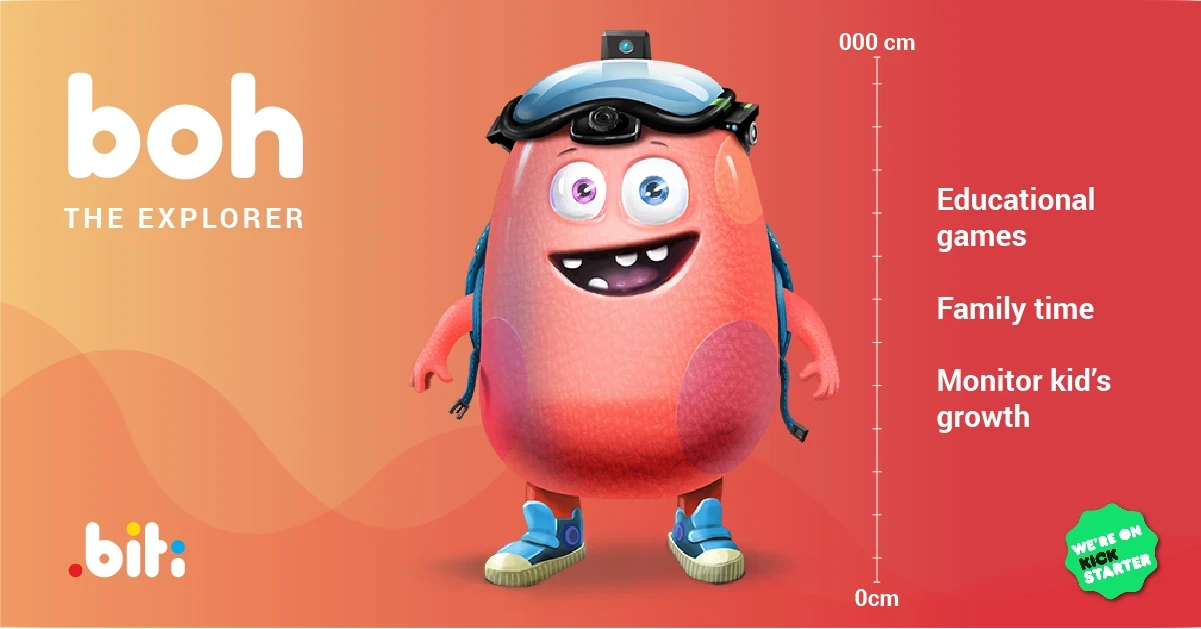
Boh (Red): the captain. Curated video discovery. With Boh, kids safely explore videos selected by the BITI team and customisable by parents. Boh represents imagination and safe exploration.
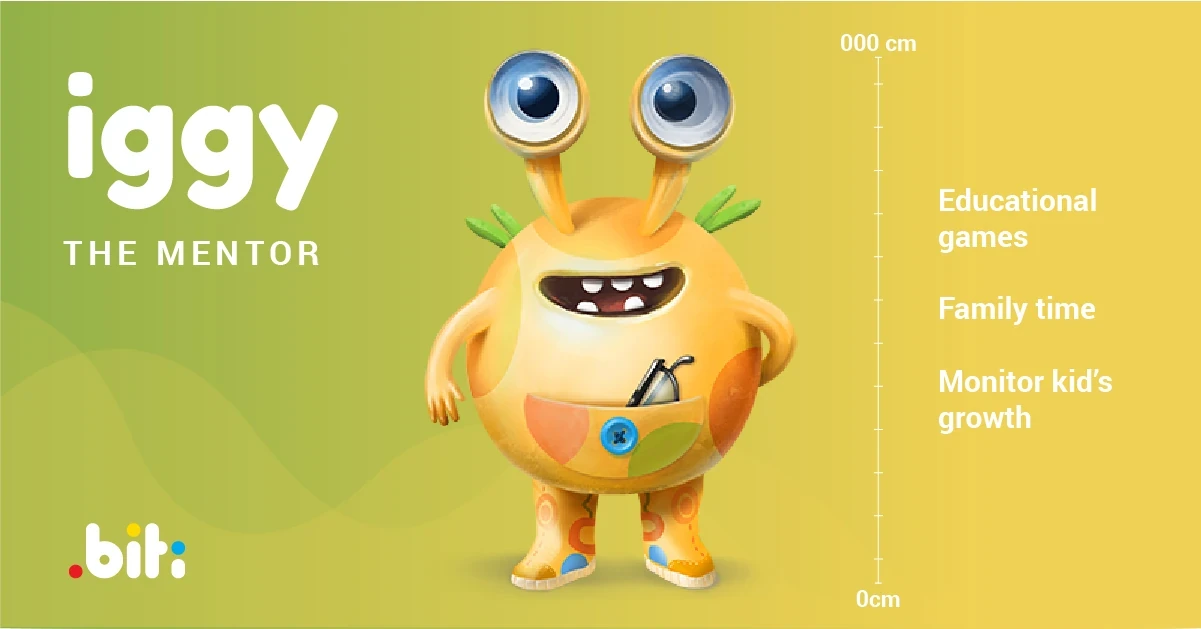
Iggy (Yellow): the action one. Educational games that bring play back to the living room. Iggy puts the whole family on the dance floor, learning through challenge, movement, and shared moments.
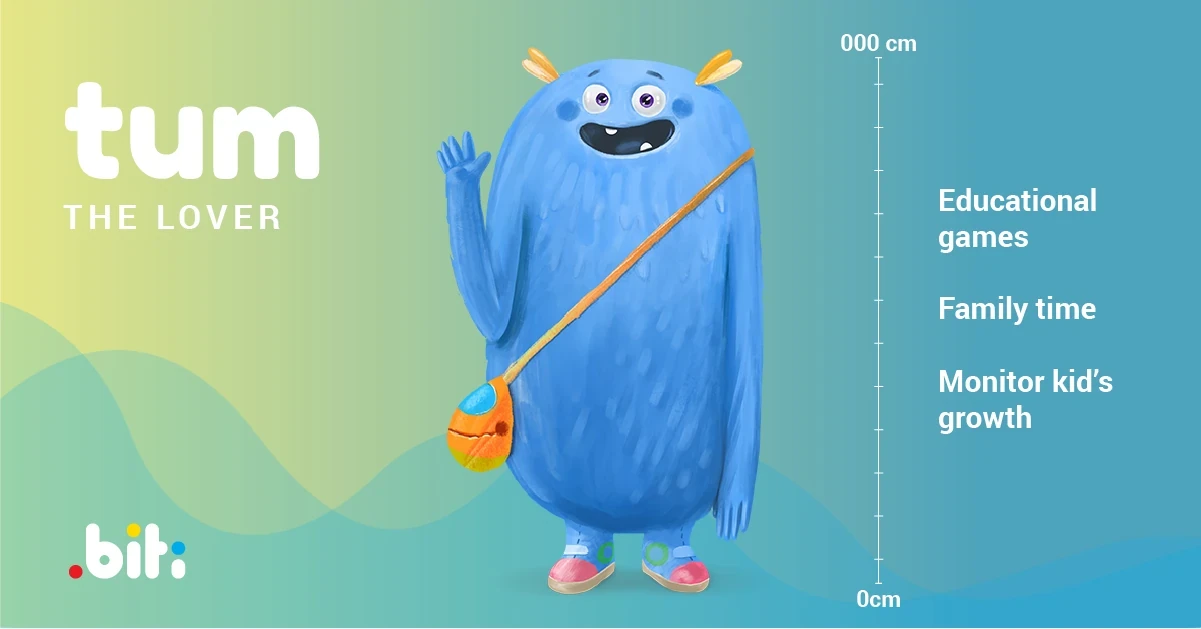
Tum (Blue): the head of love. Family photos, voice messages, and videos that keep kids close to the people who matter most. Tum represents connection and emotional safety.
The characters weren't decorative mascots. They were the structural logic of the product: each one explaining a feature through story, making the device intuitive before anyone reads a spec.
Kickstarter Narrative System
I designed the full campaign narrative architecture, structuring the story for maximum impact on a launch page: Purpose → Problem → Solution → World → Proof. Every element was built to convert: the manifesto creates emotional buy-in, the characters make the product instantly understandable, and the copy system translates complexity into desire.
Film Script
Wrote the script for the launch film, structured to reveal the universe, introduce the characters, and land the emotional promise. The film was the centrepiece of the Kickstarter campaign, designed to make viewers feel the mission before understanding the product.
Manifesto
I wrote the brand manifesto, deliberately echoing the emotional cadence of iconic tech manifestos, but dedicated entirely to children. The belief system that drives everything BITI stands for, beginning with: "Here's to the little ones. The dreamers, the ice-cream screamers..."
Copy System
Developed modular storytelling blocks: product copy that explains the universe, the characters, and the value proposition in language that works for parents (clarity, trust, safety) and excites kids (adventure, play, belonging).
BITI gained an ownable identity layer that transformed a functional prototype into a launch-ready brand world. The spaceship metaphor, the character system, and the manifesto gave the product something hardware alone never could: emotional resonance, instant recognisability, and structural defensibility.
The narrative system was built to perform across Kickstarter (conversion-driven storytelling), investor pitches (clarity and category vision), and brand communications (scalable voice and visual logic); giving a startup in category-creation mode the tools to punch above its weight from day one.
The project proved that for early-stage products, especially those creating new categories, brand IP isn't a nice-to-have. It's the moat.